How Technology Use Before Bed Affects Sleep Patterns
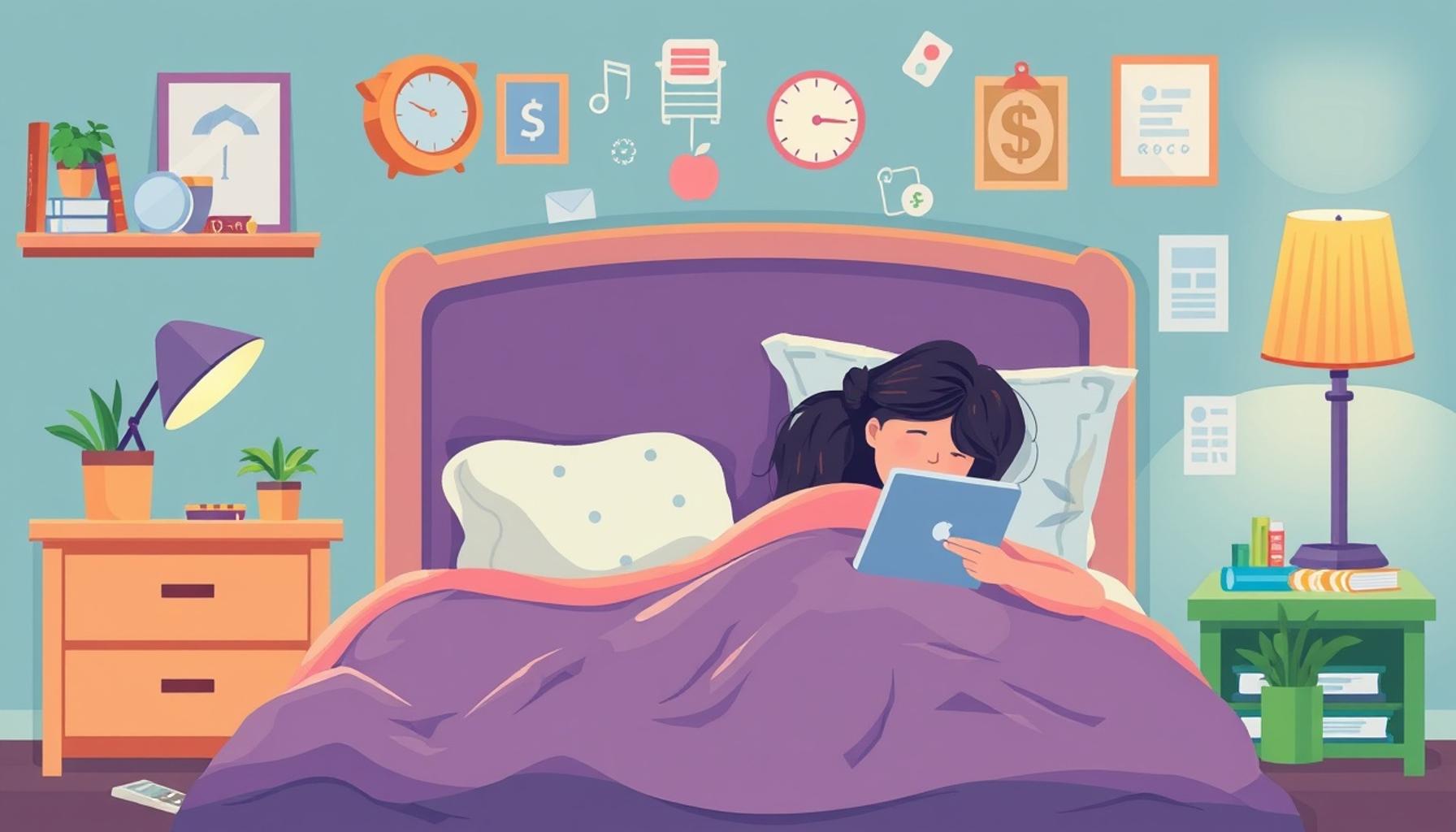
The Digital Dilemma: Navigating Technology and Sleep
In a world where the glow of screens dictates much of our evenings, technology has become an integral part of our nightly routines. While scrolling through social media, binge-watching the latest series, or replying to work emails might seem harmless, these activities can stealthily encroach on our sleep quality and overall well-being.
Blue Light Exposure: At the forefront of concerns surrounding technology and sleep is the emission of blue light from devices such as smartphones, tablets, and laptops. This light wavelength is particularly disruptive because it mimics daylight, tricking the brain into thinking it is time to be awake. Research indicates that exposure to blue light inhibits the production of melatonin, a hormone integral to managing sleep-wake cycles. As a result, even a short session scrolling through social media can lead to a delayed sleep onset, reducing overall sleep duration and quality.
Heightened Alertness: Another detrimental effect stems from the engaging nature of digital content. The allure of compelling narratives and interactive features can keep our minds in a state of heightened alertness. For instance, a gripping episode of a popular show may leave viewers not only awake but also mentally stimulated, making it challenging to transition into a restful state. This mental stimulation can translate into difficulty falling asleep, as the brain remains active long after the screen goes dark.
Increased Anxiety: The fast-paced and often overwhelming nature of online interactions can contribute to feelings of anxiety, particularly before bedtime. Notifications from social media apps or the pressure of a growing email inbox can create a sense of urgency and stress. According to a study by the American Psychological Association, individuals who engage in late-night technology use are more likely to report symptoms of anxiety and depression, which can further complicate sleep patterns.
Research consistently links high levels of screen time in the evening with poor sleep outcomes, including insomnia and reduced REM sleep. REM sleep is a critical stage for cognitive function and emotional regulation, meaning that a lack thereof can have lasting repercussions on one’s quality of life. A good night’s rest should ideally provide rejuvenation; without it, individuals may wake up feeling groggy, irritable, and unable to concentrate.
In light of this information, it becomes essential to reassess our digital consumption in the hours leading up to bedtime. Simple changes, such as establishing a tech-free period before sleep or utilizing blue-light-filtering apps and settings, can make significant differences in sleep hygiene. Cultivating an awareness of how technology affects our sleep may empower individuals to reclaim their nighttime peace, ultimately fostering better overall health and well-being.
DIVE DEEPER: Click here for essential breathing techniques
The Impact of Technology on Sleep Patterns
As technology continues to evolve, our reliance on it during the evening hours poses significant questions regarding its effect on sleep. Studies reveal that late-night screen time can significantly disrupt the natural sleep cycle. This is particularly concerning given that, according to the Centers for Disease Control and Prevention (CDC), approximately one in three adults in the United States do not get enough sleep. Understanding the nuances of how technology affects sleep is crucial for enhancing our nightly rest.
Screen Time and Sleep Disruption
The prevalence of screen time in the hours leading up to bedtime is alarming. The average American spends nearly three hours per day on their smartphones alone, often right before sleep. This trend becomes problematic when considering the four major factors that can disturb sleep patterns:
- Increased Light Exposure: As mentioned earlier, the blue light emitted from screens can disrupt melatonin production, making it more difficult to fall and stay asleep.
- Engagement and Mental Stimulation: The engaging nature of apps and shows can keep users awake longer than intended, as the brain struggles to unwind.
- Social Media Pressure: Late-night browsing can exacerbate feelings of inadequacy and stress, impacting mental health and, in turn, sleep quality.
- Notification Interruptions: The constant barrage of notifications can lead to fragmented sleep as individuals feel compelled to check their devices, even if it interrupts rest.
Research conducted by the Sleep Research Society suggests that using technology within an hour of bedtime can reduce total sleep time by an average of 30 minutes. The cumulative effect of this loss can lead to chronic sleep deprivation, leaving individuals vulnerable to various health problems ranging from obesity to impaired cognitive function.
Long-Term Consequences of Sleep Disruption
The consequences of inconsistent sleep patterns extend far beyond a few groggy mornings. According to the National Sleep Foundation, chronic sleep deprivation can adversely affect emotional well-being, cognitive function, and even physical health. Those who regularly engage in late-night technology use may experience:
- Decreased Focus: Insufficient sleep can lead to impaired attention and reduced ability to concentrate during the day.
- Increased Mood Disorders: Poor sleep can heighten the risk of anxiety and depression as the brain struggles to regulate emotions.
- Impaired Memory: Quality sleep is integral to memory consolidation, and without it, cognitive performance can decline.
It’s vital to recognize that while technology plays a significant role in our daily lives, the way it is utilized before bed can have a profound impact on our health. By understanding these effects, individuals can make informed choices and implement strategies to mitigate the adverse consequences of their nighttime tech habits.
| Category 1 | Category 2 |
|---|---|
| Blue Light Exposure | Disrupts melatonin production, impeding sleep onset. |
| Sleep Hygiene | Utilizing tech-savvy devices to enhance sleep environments through apps. |
The impact of technology usage before bedtime predominantly revolves around the interference of blue light emitted by screens. This spectrum of light can significantly affect melatonin production, a hormone integral to sleep regulation. Studies show that prolonged exposure to screens in the evening can delay sleep onset, resulting in poor sleep quality, thereby altering overall sleep patterns.Conversely, technology also paves the way for improving sleep hygiene. Utilizing sleep-tracking apps can provide insightful analytics about sleep duration and quality. Moreover, smart devices can create a conducive sleep environment through features such as dimming lights and adjusting the temperature. By leveraging technology wisely, individuals can benefit from an optimized sleep experience, harnessing its power to regain control over their nightly rest. This duality of outcomes drives home the importance of mindful technology use as a critical factor in achieving restorative sleep.
DIVE DEEPER: Click here to discover the advantages of meal prep
Strategies for Healthier Nighttime Technology Use
While the effects of technology use before bed are concerning, there are various strategies that individuals can implement to create healthier nighttime habits without completely sacrificing their beloved devices. Awareness and mindful engagement with technology can lead to improved sleep patterns and overall well-being.
Establishing a Tech Curfew
One of the most effective ways to mitigate the impact of technology on sleep is to establish a tech curfew. Experts recommend setting a specific time—preferably an hour before bedtime—when all screens are turned off. This allows the brain to gradually wind down, reducing exposure to blue light and giving the body time to initiate melatonin production. By creating a consistent nighttime routine that excludes technology, individuals can enhance their ability to fall asleep more easily.
Utilizing Night Mode Features
Many modern devices come equipped with night mode or blue light filters that significantly reduce the emission of blue light. Activating these features an hour or two before bed can help lessen the impact that screens have on melatonin regulation. Additionally, apps designed to remind users to take breaks from screens or to assist in establishing healthier nighttime habits can serve as helpful tools in managing tech use.
Engaging in Alternative Activities
Shifting focus from screens to alternative relaxation techniques can also improve sleep quality. Engaging in reading a physical book, practicing mindfulness techniques such as meditation, or exploring calming hobbies like knitting or drawing can provide necessary distractions from technology without sacrificing relaxation. Furthermore, activities such as gentle yoga or light stretching before bed can promote physical and mental relaxation, preparing the body for a restful night.
Creating a Sleep-Inducing Environment
The bedroom should be a sanctuary for sleep, free from technological distractions. Ensuring a comfortable sleep environment involves dimming the lights, lowering noise levels, and maintaining a cool, comfortable room temperature. Incorporating blackout curtains can block out external light sources, while sound machines or white noise apps can assist in minimizing disruptive noises. By creating a sleep-conducive environment, individuals are more likely to find it easier to drift into a restorative slumber.
Recognizing the Role of Mental Health
It is crucial to recognize how technology-induced stress can compound the adverse effects of sleep disruption. Many individuals find themselves scrolling through social media just before bed, exposing themselves to an array of stressful news and comparison-driven content. Addressing mental health through practices like journaling or discussing feelings
LEARN MORE: Click here to deepen your understanding
Conclusion
As our reliance on technology continues to grow, understanding the effect of technology use before bed on sleep patterns becomes increasingly critical. The interplay between screen time, blue light exposure, and disrupted melatonin production poses significant challenges for achieving quality sleep. However, by adopting intentional practices, individuals can effectively mitigate these risks and foster healthier sleep habits.
Implementing a tech curfew helps draw a line between daytime activities and nighttime rest, allowing our minds to unwind. Utilizing night mode features on devices further diminishes the impact of blue light, creating a more favorable environment for sleep initiation. Coupled with engaging in alternative relaxation activities and cultivating a sleep-inducing environment, individuals can elevate their nighttime routines, enhancing overall well-being.
Moreover, recognizing the underlying impact of mental health and its relationship with technology encourages a holistic approach to improving sleep. The journey towards better sleep does not demand the complete abandonment of technology but rather a mindful balance that embraces innovation while prioritizing rest. By applying these strategies, individuals can reclaim a restorative night’s sleep and wake up revitalized, ultimately leading to healthier, more fulfilling lives. As the science surrounding sleep and technology evolves, staying informed about these dynamics can empower individuals to make proactive choices that positively impact their nightly rest.