Natural Nutrition for Pets: How to Choose Healthy Foods and Avoid Toxic Food
The Importance of Pet Nutrition
Choosing the right food for your pets can feel overwhelming. With countless options on the market, how do you ensure that your furry friend is receiving the best nutrition? The rise of natural nutrition for pets has made it essential for pet owners to be informed about what goes into their pets’ diets. A balanced diet mimics a pet’s natural feeding patterns, and understanding these principles helps pet owners make informed decisions.
What Defines Natural Nutrition?
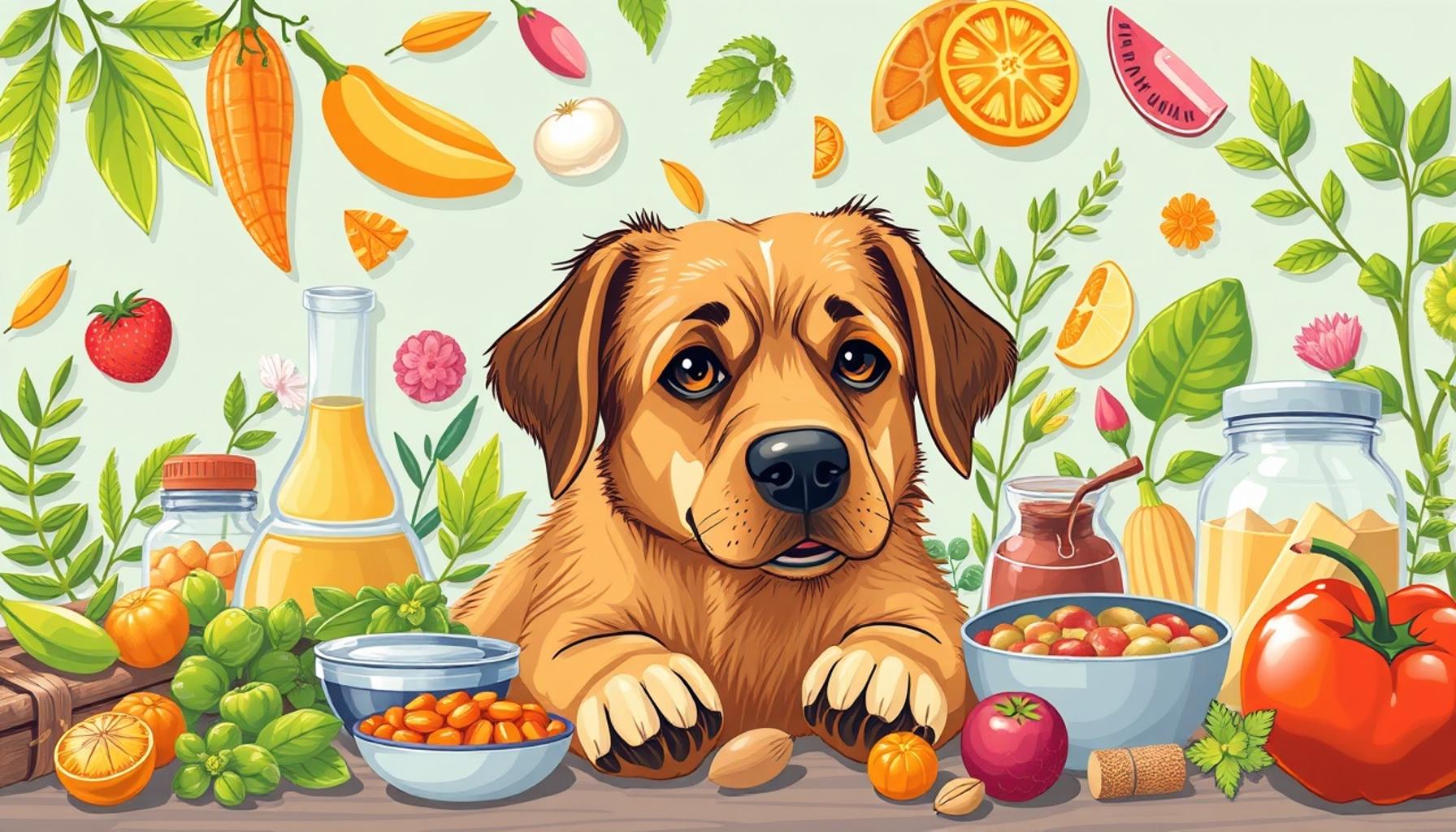
Natural nutrition focuses on a diet that consists primarily of unprocessed, whole foods that are as close to their natural state as possible. Healthy pet foods are often rich in whole ingredients, such as:
- Fresh fruits and vegetables, which can provide vitamins and minerals essential for immune support. Foods like carrots, blueberries, and pumpkin can be great additions.
- High-quality proteins like chicken, fish, or beef. These proteins provide the amino acids necessary for growth and energy. Instead of processed meats, look for options sourced from reputable farms or brands known for ethical practices.
- Whole grains or alternative starches such as brown rice, quinoa, and sweet potatoes, which offer dietary fiber and help maintain digestive health.
Ingredients to Avoid
However, navigating this landscape also means understanding what to avoid. Many common human foods can be toxic to pets, including:
- Chocolate, which contains theobromine, can be lethal to dogs and cats.
- Onions and garlic, regardless of how they are prepared, can cause anemia in pets, particularly in dogs.
- Grapes and raisins, which can lead to kidney failure in dogs. Even small amounts can be dangerous, making it vital for pet owners to keep these items out of reach.
Educating Yourself for Better Choices
As a responsible pet owner, it’s crucial to educate yourself about these aspects. Knowledge about natural nutrition equips you to make better choices for your pet’s health and well-being. In the Philippines, pet owners can visit local veterinary clinics for advice tailored to the specific nutritional needs of pets in tropical climates, where heat and humidity play a significant role in dietary considerations.
Finding Balanced Diets
Join us on this journey to uncover how to choose healthy foods and safeguard your pets from toxic ingredients. Consider consulting resources like the Philippine Animal Welfare Society or local online forums where pet parents share insights on pet food brands. Discover the best practices for a diet that promotes longevity and happiness for your beloved companions. From exploring pet stores to understanding labels, each step you take will enrich your pet’s life and enhance their health, allowing you both to enjoy years of companionship together.
Understanding Pet Dietary Needs
The foundation of a pet’s health lies in their dietary requirements. Just like humans, pets have specific nutritional needs that vary by species, age, activity level, and overall health. It’s essential to understand that dogs and cats are fundamentally different in their dietary preferences—dogs are omnivores, while cats are obligate carnivores. This distinction plays a crucial role in selecting the right foods. A balanced diet not only supports their physical well-being but also contributes to their mental health and longevity.
Choosing Healthy Foods
When it comes to choosing healthy foods for your pets, take a closer look at the ingredient list on the packaging. Here are some key components to consider when selecting pet food:
- Nutritional Adequacy Statement: Ensure that the pet food you select meets the standards set by the Association of American Feed Control Officials (AAFCO), which indicates that the food provides complete and balanced nutrition.
- Whole Ingredients: Look for foods that list whole foods at the top of the ingredient list. Fresh fruits and vegetables like spinach, apples, and sweet potatoes provide essential nutrients that promote overall health.
- Quality Protein Sources: Protein should come from named meats or fish (e.g., chicken meal, salmon) rather than vague terms like ‘meat by-product.’ Quality protein is indispensable for muscle development and energy.
- Healthy Fats: Ingredients like chicken fat or fish oil are excellent sources of omega-3 and omega-6 fatty acids, which are vital for a shiny coat and healthy skin.
- Probiotics and Prebiotics: These ingredients support digestive health by promoting a balanced gut microbiome, which can enhance nutrient absorption and overall health.
The Role of Supplements
In some cases, dietary supplements may be necessary to fill nutritional gaps. For example, if your pet has specific dietary restrictions or health issues, consultations with a veterinarian can guide you to the right supplements. For pets in the Philippines, where tropical climate affects food preservation, maintaining freshness is paramount. This means supplements like probiotics, omega fatty acids, or joint health enhancers should also be considered.
Avoiding Toxic Foods
Equally important as knowing what to feed your pets is understanding what to keep out of their diets. Some seemingly innocent foods can be hazardous or even fatal. Here’s a list of common foods that pet owners must avoid:
- Chocolate: Contains theobromine, which can lead to severe health issues like seizures or even death.
- Onions and Garlic: Both can damage a pet’s red blood cells, causing anemia.
- Alcohol: Even tiny amounts can cause intoxication or other serious health effects.
- Xylitol: This sugar substitute found in many sugar-free products can lead to insulin release, resulting in hypoglycemia in dogs.
- Macadamia Nuts: These nuts are toxic to dogs and can cause weakness, depression, and other neurological symptoms.
Understanding your pet’s nutritional needs is an ongoing process. Armed with the right knowledge, you can provide your furry companions with a diet that promotes not only physical health but also enriches their lives with vitality and happiness.
| Category | Details |
|---|---|
| Natural Ingredients | Look for foods made from whole, natural ingredients such as fresh proteins and vegetables. |
| Toxic Food Awareness | Be informed about human foods like chocolate, grapes, and onions that are harmful to pets. |
| Balanced Nutrition | Ensuring a balanced diet consists of proteins, fats, vitamins, and minerals tailored to your pet’s needs. |
| Ingredient Sourcing | Support brands that source ingredients responsibly to promote sustainability and quality. |
Understanding natural pet nutrition not only improves their health but also enhances their quality of life. By making informed choices about what goes into their meals, you can significantly reduce the risk of diet-related health issues, ensuring your furry friends lead happier lives. Dive deeper into the complexities of pet diets and discover the transformative power of natural nutrition!
Creating a Balanced Diet
Crafting a balanced diet for your pets involves understanding the proportions of different food groups that should constitute their meals. For dogs, a good rule of thumb is that their diet should consist of about 40% protein, 50% carbohydrates, and 10% fats. For cats, the focus shifts even more heavily on protein, with around 60-70% of their diet composed of this essential macronutrient. With the availability of various natural ingredients, pet owners can create home-cooked meals that closely match these ratios to ensure complete nutrition.
Home-Cooked Pet Meals
More pet owners are shifting towards home-cooked meals for their pets, and for a good reason. Cooking at home allows you to control the quality of the ingredients right down to their sourcing. If you live in the Philippines, fresh local produce such as fish, chicken, sweet potatoes, and leafy greens can be a staple in your preparation. When cooking for pets, avoid the temptation to spice up their meals; instead, work with simple recipes that focus on the integrity of the ingredients. For example, a meal of boiled chicken with steamed carrots and rice can provide excellent nutrition.
Commercial Natural Pet Foods
If home cooking isn’t feasible, opting for commercial natural pet foods is another option. Look for brands that prioritize transparency and integrity in their ingredients. Many brands now offer “homemade” recipes formulated by veterinarians, and some even provide the option for raw food diets, tailored specifically for either dogs or cats. Always check for certifications and customer reviews to ensure the brand follows strict safety and quality standards, especially in regions where food preservation can be a challenge, such as the Philippines.
Feeding Schedules and Portions
Pacing and portion control play a critical role in maintaining your pet’s ideal weight and preventing obesity. The feeding frequency depends on the animal’s age and energy level. Puppy and kitten growth spurts necessitate multiple feedings throughout the day, while adult pets typically thrive on two meals. Regularly assess their body condition to adjust meal sizes; a visual check for weight can often provide more insight than a weighing scale. Using measurement cups can help in serving the right portions, avoiding overfeeding, which is a prevalent issue among pet owners.
Recognizing Allergies and Sensitivities
As you explore natural nutrition for your pets, remain vigilant for any signs of food allergies or sensitivities. Symptoms can include chronic gastrointestinal issues, itchy skin, or severe reactions. Consider initiating an elimination diet for pets showing signs of discomfort. This involves introducing new food ingredients one at a time to pinpoint the troublesome substance. Consulting with your veterinarian can further support this endeavor, ensuring that your pet receives a nutritionally sound diet while addressing any specific needs.
The journey toward natural nutrition for your pets is not merely about what goes into their bowls—it’s about fostering a holistic approach to their overall health and happiness. Each meal is an opportunity to enrich their lives and uphold their well-being. By staying informed and proactive, you pave the way for a lifetime of joyous interactions with your furry companions.
Final Thoughts on Natural Nutrition for Pets
Navigating the realm of natural nutrition for pets is an enlightening journey that rewards the commitment to understanding your furry companion’s dietary needs. By prioritizing a balanced diet that emphasizes wholesome ingredients, from home-cooked meals to reliable commercial options, you actively contribute to their health and vitality. Remember, the right nutrition can prevent potential health issues and enhance their quality of life.
Vigilance is essential when it comes to identifying toxic foods and recognizing signs of allergies. Familiarizing yourself with harmful ingredients and keeping a close watch on your pet’s reactions to new foods is pivotal. Informing yourself about local sources of fresh produce in the Philippines, such as local fish and vegetables, can further enrich your pet’s diet while supporting the community.
As you establish feeding schedules and practice portion control, keep in mind the importance of maintenance and regular adjustments based on your pet’s unique needs. Your veterinarian can provide invaluable guidance on tailoring a diet that best suits your pet’s characteristics.
Ultimately, the effort you put into researching and choosing the right food reflects your dedication to their well-being. With each thoughtful meal, you not only nourish their bodies but also strengthen the bond you share. Embrace the responsibility of providing quality nutrition, and see how it transforms the life of your beloved pets into one of joy, energy, and health.