The Impact of 5G Network on Mobile Application Performance
Understanding the Impact of 5G Networks
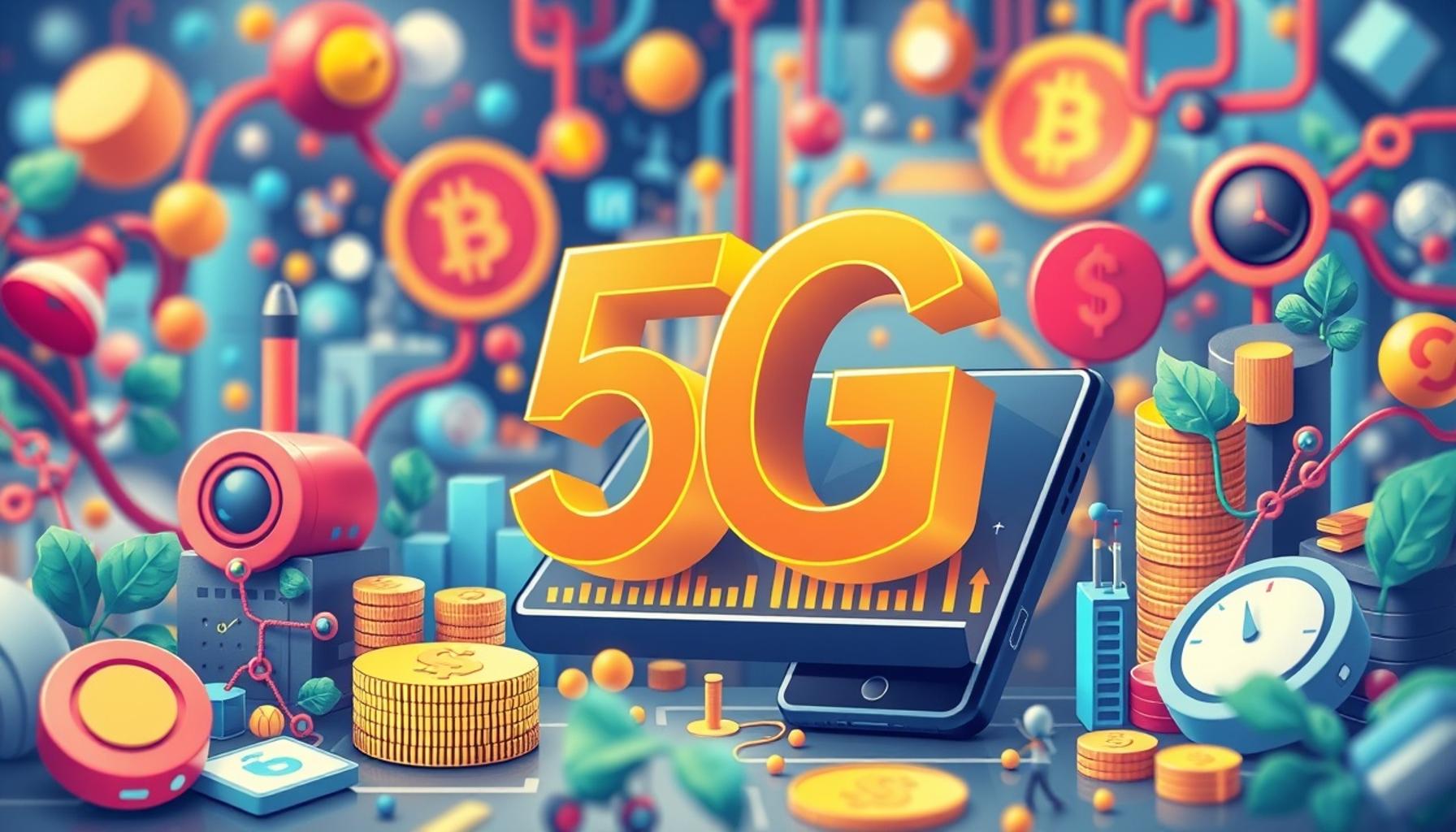
In today’s fast-paced digital world, the mobile landscape is undergoing a remarkable transformation, primarily driven by the advent of 5G networks. This groundbreaking technology not only marks a leap in telecommunications but also promises to revolutionize the way mobile applications operate across various sectors. With unparalleled data transfer speeds and dramatically reduced latency, 5G stands to enhance user experiences in ways previously thought unattainable.
Key Features that Set 5G Apart
Among the most notable enhancements brought by 5G are:
- Blazing fast data transfer speeds: Capable of reaching speeds up to 100 times faster than 4G, 5G allows users to download large files, stream high-definition videos, and interact with content in real-time without frustration.
- Lower latency: With response times potentially as low as 1 millisecond, applications that rely on immediate feedback—such as gaming and video conferencing—will see significant performance improvements, resulting in a more seamless user experience.
- Massive device connectivity: The ability to connect up to 1 million devices per square kilometer means that smart cities, IoT devices, and connected machinery can flourish, creating opportunities for innovations in various domains, including healthcare and transportation.
Transformational Applications
The consequences of these enhancements are far-reaching. Imagine a mobile gaming application that optimizes performance with real-time updates, drastically reducing lag and glitches. With 5G, players can engage in competitive environments without the frustration that often accompanies slower network speeds. Streaming services, too, will thrive; users will be able to watch their favorite shows in 4K and beyond, with virtually no buffering interruptions, transforming home entertainment experiences.
Moreover, businesses can capitalize on 5G to improve customer engagement. For example, augmented reality (AR) and virtual reality (VR) applications in retail can create interactive shopping experiences, allowing customers to visualize products in their own spaces before making a purchase decision. This not only enhances user satisfaction but also has the potential to drive sales in an increasingly competitive market.
Challenges to Address
Yet, the rollout of 5G is not without its challenges. Integrating this advanced technology into existing infrastructures poses concerns related to security, especially as more devices become interconnected. Businesses must be vigilant against cyber threats that could exploit vulnerabilities in this expanded online landscape. Additionally, the costs associated with upgrading infrastructure can be significant, which may hinder some organizations from fully adopting 5G technology.
As the conversation around 5G networks continues to evolve, it is essential to explore how these advancements will influence both developers and users alike. The implications of 5G’s enhanced capabilities are profound, pushing the boundaries of what is possible in mobile applications and shaping the future of connectivity in the United States and beyond. By understanding both the opportunities and the challenges that lie ahead, stakeholders can better prepare for a future where 5G technologies play a central role in our daily lives.
DON’T MISS OUT: Click here for essential tips on securing your digital life
Enhanced User Experiences Through 5G
As we delve deeper into the transformative nature of 5G networks, it becomes clear that the implications for mobile application performance are both extensive and significant. The capabilities of 5G not only elevate existing applications but also pave the way for the development of entirely new ones that were previously unimaginable. By harnessing the power of faster speeds, reduced latency, and increased device connectivity, mobile applications can now provide users with unprecedented experiences.
The Role of Speed in Application Performance
One of the most striking features of 5G technology is its ability to deliver data transfer speeds that can exceed 10 Gbps. This benchmark means users can download entire movies within seconds and stream content reliably, transforming the nature of consumption across platforms. For mobile applications, this speed translates directly to improved functionalities. Consider the world of mobile gaming: players will no longer endure lag times that can determine the outcome of a match. Instead, they will enjoy a responsive gaming experience where every action is executed instantly, leading to heightened levels of engagement.
For businesses, these enhancements are equally compelling. Applications that require real-time processing—such as data analytics tools or cloud-based software—will benefit immensely from the ultra-fast data capabilities of 5G. Quick access to information not only increases productivity but also improves decision-making processes, enabling organizations to respond to market changes swiftly and accurately.
Latency: A Game-Changing Factor
Beyond speed, the significantly reduced latency provided by 5G networks marks a turning point for mobile applications. With latency as low as 1 millisecond, applications that depend on instantaneous feedback, such as augmented reality (AR) and virtual reality (VR) platforms, can operate smoothly without interruptions. This improvement is expected to elevate user engagement levels as individuals immerse themselves in rich, interactive environments.
Moreover, the healthcare sector stands to gain tremendously. Telemedicine applications, which allow patients to consult with physicians remotely, will see improved performance and reliability. From real-time monitoring of patient vitals to immediate consultations in emergency situations, the implications of enhanced latency are vast and crucial for saving lives.
Transformative Potential in Industries
Five key areas poised for transformation due to 5G technology include:
- Telemedicine: Enhanced connectivity leads to better remote healthcare solutions, providing patients immediate access to specialists.
- Smart cities: Utilizing IoT devices that require seamless communication for traffic management and public safety will flourish with 5G.
- Retail enhancements: AR applications can allow customers to visualize products within their own homes, increasing online purchasing confidence.
- Smart manufacturing: Increased communication among machines reduces downtime and optimizes production efficiency.
- Entertainment: Live streaming and event coverage can reach new heights with uninterrupted, high-quality broadcasts.
The journey into 5G technology has only just begun, but the potential impacts on mobile application performance are set to redefine our digital interactions. As we embrace this new wave of connectivity, developers and businesses alike must innovate proactively, preparing for a landscape where speed and reliability become the standard, rather than the exception.
The emergence of 5G technology has revolutionized the landscape of mobile application performance, allowing developers to harness unprecedented levels of speed and efficiency. With data rates reaching up to 10 Gbps, applications can now process and relay information almost instantaneously. This newfound speed facilitates the execution of complex functionalities without the lag that users traditionally experienced with earlier networks.
One of the key advantages of 5G is its reduced latency. While 4G networks typically operate with latencies around 30-50 milliseconds, 5G reduces this to as low as 1 millisecond. This dramatic decrease enables applications such as real-time gaming, augmented reality (AR), and virtual reality (VR) to function seamlessly. The fluidity of these applications enhances user engagement and opens new avenues for interactive experiences that were previously unimaginable.
Moreover, 5G’s enhanced capacity means that it can support a greater number of devices simultaneously. This is particularly advantageous for applications that rely on the Internet of Things (IoT), allowing smart devices to communicate efficiently in environments like smart homes or smart cities. With the ability to connect thousands of devices, mobile apps can leverage this connectivity to provide more personalized and location-based services, driving user satisfaction and loyalty.
As 5G continues to unfold, the implications for mobile application developers are vast. The potential to create more robust, innovative, and responsive applications is driving the market forward at an astonishing pace. Users can expect to see significant improvements in functionality, allowing for a more enhanced and intuitive mobile experience. Overall, 5G is not just a technology upgrade; it is a fundamental game changer in how mobile applications are designed and experienced.
| Advantage | Details |
|---|---|
| Higher Speeds | Faster data processing and application loading times enhance user experience. |
| Reduced Latency | Near-instant response times enable real-time interactions in apps, vital for gaming and AR/VR experiences. |
| Increased Device Capacity | Support for more connected devices allows for richer IoT applications and services. |
DISCOVER: Click here to enhance your productivity
Revolutionizing Business Applications with 5G
The arrival of 5G networks heralds a new era not just for individual users, but also for businesses and industries eager to capitalize on optimized mobile application performance. The integration of 5G technology into corporate environments enhances communication, collaboration, and overall efficiency with transformative effects across different sectors.
Empowering the Workforce
As remote work continues to reshape the corporate landscape, mobile applications that facilitate collaboration will become faster and more reliable with 5G. Video conferencing tools, such as Zoom and Microsoft Teams, are expected to benefit immensely from reduced latency, enabling seamless communication without lag or disconnection. This improvement fosters not only productivity but also a greater sense of connection among remote teams.
Furthermore, sales and customer relationship management applications will experience a significant boost. For instance, a sales representative equipped with a mobile app can instantly access customer information, product specifications, and even AI-driven insights while on the go. This capability allows for timely and informed decision-making, ultimately enhancing customer satisfaction and driving sales efficiency.
Mobile Commerce on the Rise
The shift towards mobile commerce is also poised for substantial growth owing to the remarkable capabilities of 5G. Retail businesses can leverage fast download speeds to enhance in-app purchasing experiences. For example, customers can quickly browse through extensive catalogs, view 3D product models in real-time, and complete transactions with minimal waiting time. During peak shopping seasons, such as Black Friday or holiday sales, the robust support of 5G networks can help retailers manage large volumes of transactions without a hitch, drastically reducing the likelihood of site crashes or slowdowns.
Moreover, personalized shopping experiences powered by data analytics will become even more pronounced. With 5G’s ability to quickly process vast amounts of data, retailers can analyze customer behaviors, preferences, and trends in real-time. This data will allow businesses to tailor promotions and recommendations, making shopping experiences more enticing and streamlined for users.
Innovations in Augmented and Virtual Reality
The intersection of 5G and augmented reality (AR) or virtual reality (VR) applications also underscores the profound potential of enhanced mobile app performance. Businesses, particularly in sectors like real estate and education, can deploy AR to create immersive experiences. Real estate agents can provide virtual property tours with instant feedback, while educational platforms may implement interactive lessons that engage students on a whole new level.
For instance, imagine a student using a VR app to explore historical events in an interactive virtual environment or a buyer who can visualize how furniture fits into their new home without ever stepping foot inside. The immediate connectivity offered by 5G networks allows these scenarios to unfold smoothly, enhancing learning and purchasing experiences.
Data Privacy and Security Considerations
While the advantages of 5G are promising, the proliferation of connected devices and increased data sharing necessitates heightened cybersecurity measures. Mobile applications must evolve to safeguard user data amidst rapid technological advancements. Developers need to ensure that security protocols are embedded into app architectures from the ground up. Businesses can leverage the capabilities of 5G while also prioritizing trust and integrity to foster a loyal customer base.
In summary, as industries embrace 5G technology, the opportunities for enhanced mobile application performance are vast, reshaping everything from internal communication to customer engagement. It is a pivotal moment for businesses to innovate and adapt, aligning their mobile strategy with the disruptive capabilities of next-generation connectivity.
DISCOVER MORE: Click here to uncover innovative solutions
Conclusion: Embracing the 5G Era for Enhanced Mobile App Performance
As we stand on the brink of a technological revolution, the arrival of 5G networks proves to be a game-changer for mobile application performance. This next-generation connectivity not only boosts speed and efficiency but also unlocks new potential for innovation across various industries. With higher bandwidths and lower latency, businesses can rethink the way they operate, leveraging mobile applications to enhance productivity, optimize customer interactions, and redefine user experiences.
The profound impact of 5G extends to sectors such as retail, healthcare, education, and beyond, where applications are being transformed into powerful tools for engagement and efficiency. As mobile commerce takes off, the ability to deliver stunning, real-time interactive content will determine market leaders. Moreover, industries can drive personalized customer experiences by tapping into the vast amounts of data that 5G networks can process almost instantaneously.
However, with opportunity comes responsibility. The increased reliance on mobile applications also necessitates vigilant attention to data privacy and security. As we transcend to this new technological frontier, it is imperative for developers and businesses to incorporate robust security measures from the outset to instill user trust.
In conclusion, the impact of the 5G network on mobile application performance is not just a fleeting trend; it is a fundamental shift that invites businesses to innovate and adapt their strategies in alignment with evolving consumer demands. As we continue to explore the possibilities offered by 5G, one thing is certain: those who embrace this transformational technology will not only survive but thrive in the dynamic landscape of the digital age.